AARDO-NCRD International Training Programme on Disaster Management and Climate Change Adaptation
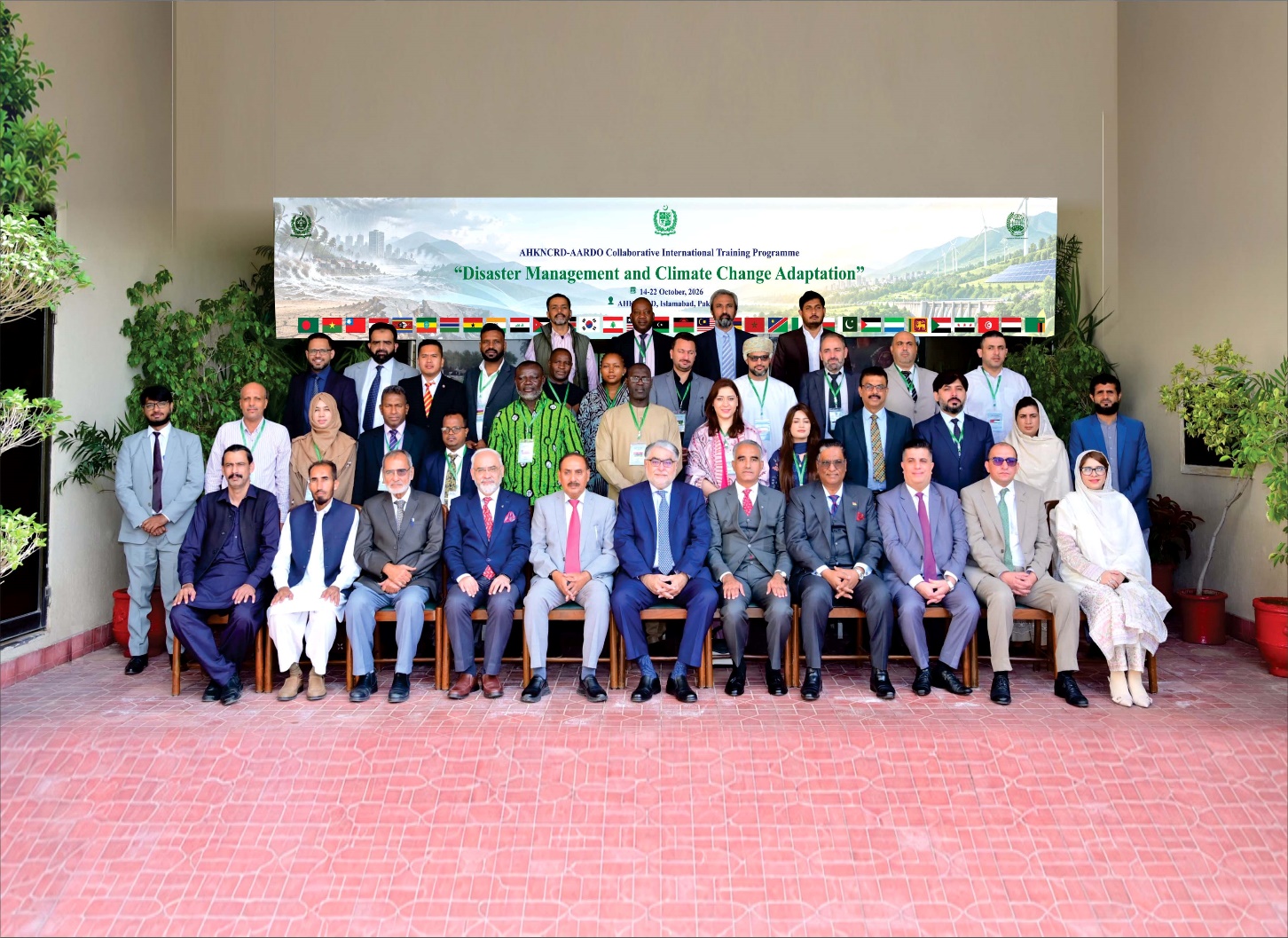
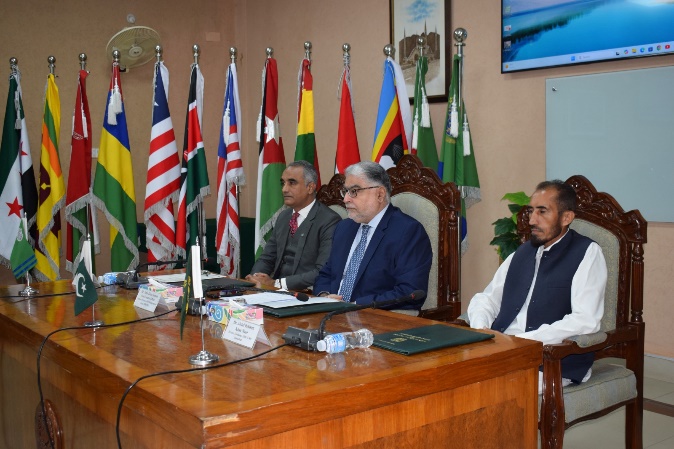
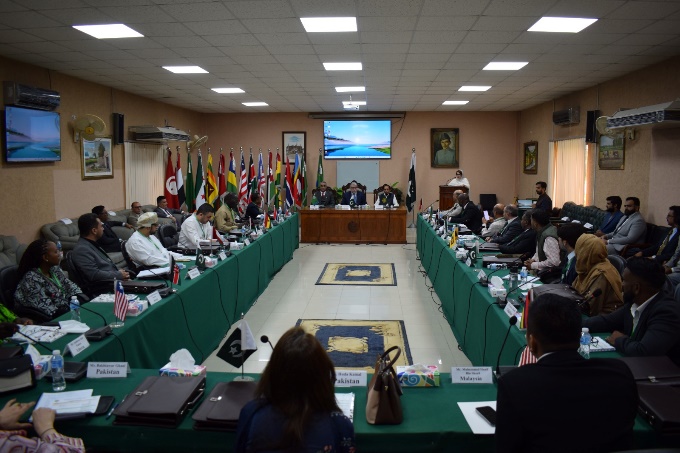
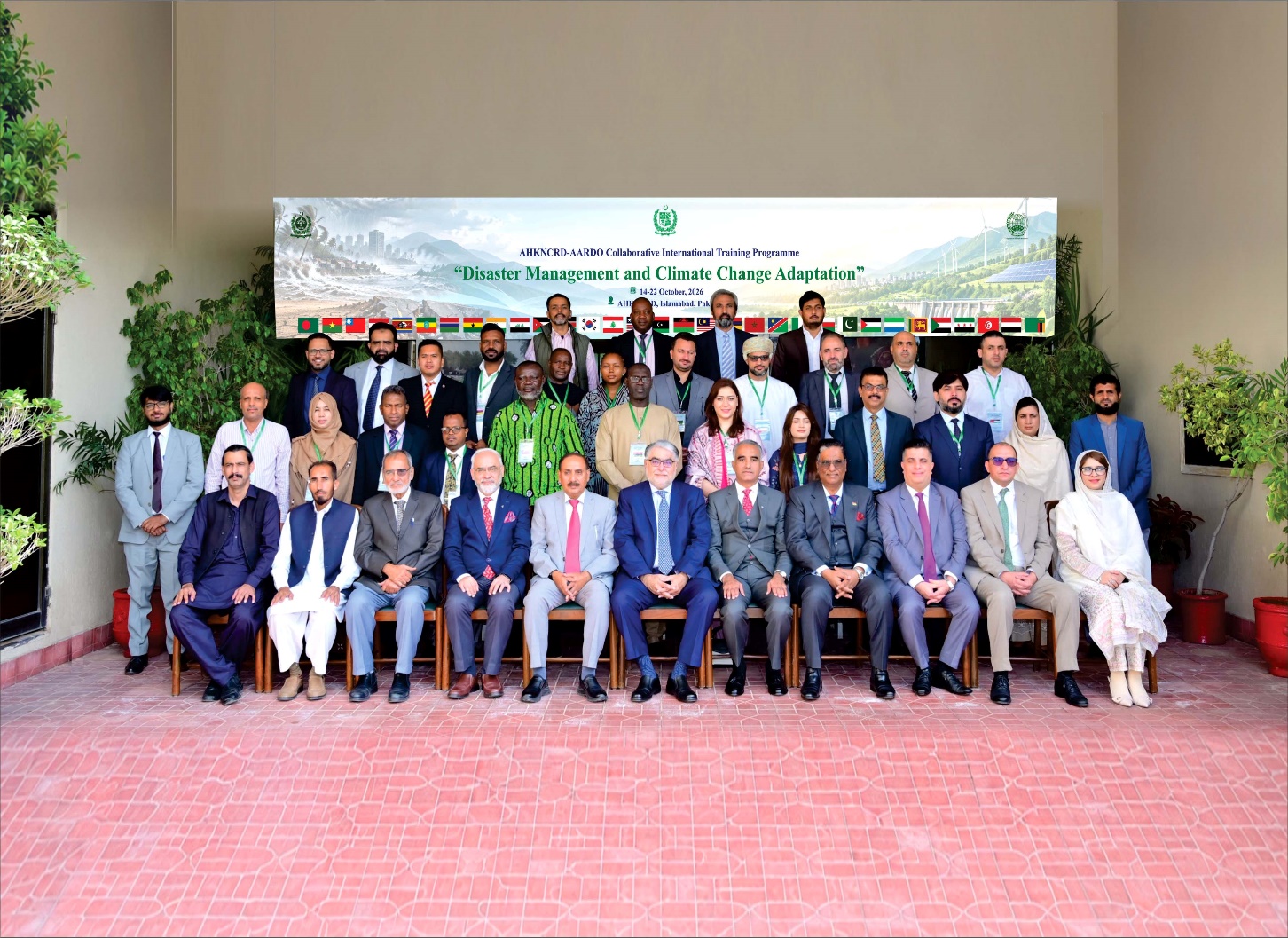
AHKNCRD-AARDO INTERNATIONAL TRAINING PROGRAMME ON “Disaster Management and Climate Change Adaptation” 14-22 October, 2026 BRIEF WORKSHOP REPORT The continents of Africa and Asia together are home to around 6.4 billion people in the world. A number of world’s most disaster-prone countries are in these continents. Some of them including Pakistan are also AARDO member countries. Both of these regions frequently a wide range of natural and climate-related hazards, including floods, tropical cyclones, earthquakes, droughts, heatwaves, landslides, glacial hazards and sea-level rise. Rapid urbanization, high population density, poverty, environmental degradation and concentration of infrastructure in exposed coastal and urban areas further increase vulnerability. Pakistan's disaster management and climate change adaptation efforts are critical due to the country's high vulnerability to climate-induced disasters such as floods, droughts, and glacial melt. The government has established policies and plans to improve preparedness and resilience, though challenges remain there. Key areas of focus include developing early warning systems, strengthening local capacity, integrating climate resilience into development planning, and coordinating efforts at national and local levels. Akhtar Hameed Khan National Centre for Rural Development (AHKNCRD) and African Asia Rural Development Organization (AARDO) have jointly organized an International Training Programme on, “Disaster Management and Climate Change Adaptation” during 14-22 October, 2026. The training programme was attended by a total of 21 participants from 16 AARDO member countries. The representative countries included Bangladesh, Eswatini, Gambia, Ghana, Jordan, Kenya, Liberia, Malaysia, Mauritius, Oman, Pakistan (host country), Sri Lanka, Syria, Tunisia, Yemen and Zambia. Pakistan's disaster management and climate change adaptation efforts are critical due to the country's high vulnerability to climate-induced disasters such as floods, droughts, and glacial melt. The government has established policies and plans to improve preparedness and resilience, though challenges remain there. Key areas of focus include developing early warning systems, strengthening local capacity, integrating climate resilience into development planning, and coordinating efforts at national and local levels. Objectives: In view of the importance of “Disaster Management and Climate Change Adaptation” and relevant experience of Pakistan, this training programme was planned with the key objectives: Major Contents and Programme Proceedings: The training ptogramme was designed in such a way that distinguished delegates could have theoretical perspective of Disaster management and climate Change Adaptation as well as have exposure of few on-ground management facilities and systems in Pakistan. Day 1 Proceedings: After the inaugural ceremony and ice-breaking session on culture of Pakistan, the session on “Conceptual Guidance on Disaster Management and Climate Change Adaptation” was delivered by Dr. Qaiser Imran from National Institute of Disaster Management (NIDM), Islamabad. Dr. Qaiser gave an overview of nature of disasters, their risk reduction strategies and correlations with Climate Change adaptation. After that, Brigadier (R), Dr. Fiaz Hussain Shah, Former Director General, National Institute of Disaster Management (NIDM), NDMA, discussed the Disaster Management through Mitigation and Adaptation. On Day-2, the participants were taken to National Emergencies Operation Centre (NEOC) of National Disaster Management Authority (NDMA), where the participants were briefed about working mechanism of apex disaster management body, and facilities installed in their Central Emergency Operation Centre. Day 3 Proceedings: On the Day-3, the participants were moved to historical City of Pakistan Lahore to visit Emergency Services Department of Punjab (Rescue 1122). The Punjab Emergency Services (Rescue 1122) is the leading emergency service in South Asia. It was established in 2006 for the professional management of emergencies such as road traffic accidents, medical emergencies, building collapses, fires, hazardous material incidents, explosions, flood & water rescue, and animal rescue etc. It serves all districts of Punjab province with an estimated population of over 110 million. After tha,t participants were taken to Environmental Protection and Climate Change Department of Punjab and were briefed about their different facilities, activities and coping strategies. Lahore is the second-largest city of Pakistan and has a rich and diverse history spanning thousands of years. The historical places participants visited in included Lahore Fort and Badshahi Mosque. Day 4 Proceedings: The participants were taken to the picturesque hilly station of Murree to witness watershed management of Forest Department. Watershed management is essential for reduction of risks associated with disasters like Floods, Landslides and Soil Erosion. The participants also witnessed Clean and Green Pakistan initiative of government and definitely would have enjoyed with Chair lifts of Pathriata and beauty of Murree. Day 5 Proceedings: On Day-5, the participants were taken for an exposure and study visit to Barani Agriculture Research Institute (BARI) and Soil water Conservation Research Institute (SAWCRI) in district Chakwal. The institutes serve the research purposes in Pothohar region in the upper Punjab which is a rain fed area and that depends on rainfall for irrigation and agriculture purposes. The participants also visited Centre of Excellence for Olive Research and Training (CEFORT) in the same vicinity, CEFORT is playing leading role in promoting Olive crop in the region. Day 6 Proceedings: The participants were given orientation in an in-house session on Community Resilience Strategies for Climate Change Adaptation and Disaster Preparedness by Mr. Aftab Alam Khan CEO, Resilient Future International. Subsequently, a study visit was arranged to Pakistan Meteorological Department (PMD) to witness multi Hazard early warning system, weather forecasting center and glacial monitoring system of the MET department. Day 7 Proceedings: On the last day, the participants were familiarized with Nature-based Solutions for Disasters and Climate Change Resilience by Dr. Syed Mehmood Nasir, Former Inspector General Forests, Ministry of Climate Change and Environmental Coordination, Islamabad. Mr. Arif Rasheed Goheer, Executive Director of Global Climate Change Impact Studies Centre (GCISC), Islamabad had also deliberated on Climate Change and Disaster Risks in Asian and African Region and International Negotiations on Climate Change and Disaster Management. In the last in-house session, Syed Waqas Anjum Jafery, Secretary General Alkhidmat Foundation, Pakistan, highlighting the Role of Non-Governmental Sector in Disaster Management, briefed about the working and activities of Alkhidmat Foundation Pakistan. Alkhidmat Foundation is a non-governmental organization and NDMA partner and is known for very organized work during all types of disasters. It has 150 offices with around 60,000 volunteers along with full-time paid staff, but its leadership of one thousand (1000) people works voluntarily without receiving any honorarium. Country Paper Presentations: Country Paper Presentations were also shared by the distinguished participants. The sharing and transfer of knowledge through such country reports is the core of such NCRD-hosted international training programmes and have always been good source of knowledge and mutual learning. Visits to Touristic Spots: Pakistan is a large and beautiful country and has lot of things to showcase besides technological facilities, and; the participants were given an exposure of some of touristic and important places in vicinity of capital city such as Pakistan Monument, Heritage Museum, Faisal Mosque, Damn-e-Koh, Muree Hill Station and during the visit to Lahore, visited beautiful and historical Badshahi Mosque and Lahore Fort. The participants were also taken to local markets for shopping. Conclusion: The programme concluded on October 21, 2026 with an official address by Director General NCRD & Regional Representative of AARDO for South & Central Asia. The participants shared their feedback, learning experience and comments regarding the conduct of the programme. In the end, the certificates of participation were awarded to the participants. The programme concluded with a hope that it would have added positively to the knowledge & skill paradigms of the participants in order to further help enrich the disaster management & climate change adaptation efforts in their respective countries & regions.